


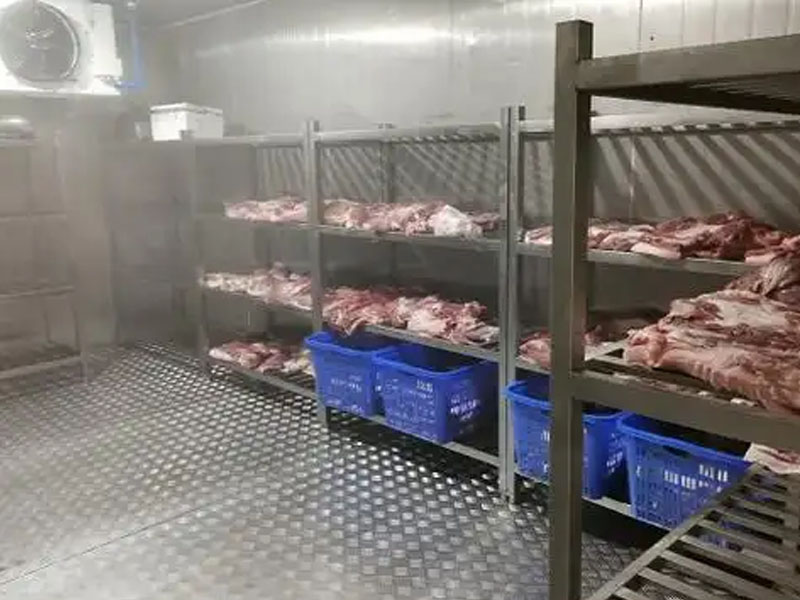
Meat cold storage operates at low temperatures for long periods, with refrigeration systems accounting for over 70% of total power use. Even small improvements in insulation, airflow, temperature control, and maintenance can cut energy waste by 20%–40% while improving meat quality and shelf life. Below are practical, actionable steps to lower energy loss in meat cold rooms.
If you want to maximize efficiency, start with sealing leaks, optimizing defrost, and upgrading to inverter drives — these three steps deliver the fastest results.
1. Optimize Insulation & Sealing to Stop Cold Air Leaks
Most energy waste comes from poor insulation and air infiltration.- Use high‑density PU insulation panels (150mm+ for -18°C freezers) with anti‑cold‑bridge design to minimize heat transfer.
- Install high‑speed cold‑storage doors and double air curtains to block warm air; air curtains can reduce infiltration by more than 80%.
- Check and replace door gaskets regularly to avoid gaps from aging or damage.
- Add a buffer room (antechamber) between cold storage and the outside to reduce temperature shock when doors open.
2. Fine‑Tune Temperature Settings for Meat Safety & Efficiency
Every extra degree below required temperature increases energy use by 2%–3%.- Maintain frozen meat at -18°C ±1°C; raising setpoints slightly within safe limits can reduce energy use by 5%–12%.
- Use multi‑zone control to separate fresh/chilled and frozen areas, avoiding over‑cooling low‑load spaces.
- Deploy IoT temperature sensors for real‑time monitoring and automatic adjustment to avoid over‑cooling.
3. Improve Airflow & Storage Layout
Uneven airflow creates warm zones and makes compressors run longer.- Leave 30cm gaps between pallets and evaporators, and 10cm gaps from walls for smooth air circulation.
- Use structured racking instead of loose stacking to eliminate dead spots.
- Do not overfill; keep occupancy below 80% to maintain uniform cooling.
4. Smart Defrost & Heat Exchanger Maintenance
Frost on coils drastically reduces efficiency.- When frost reaches 5mm, cooling efficiency drops by more than 30%.
- Use demand‑controlled defrost (sensor‑based, not timer‑only) to cut unnecessary defrost energy by up to 40%.
- Clean condenser fins and evaporator coils every 1–3 months to remove dust and oil.
- Consider evaporative condensers; they lower energy use by 40% compared to air‑cooled units.
5. Upgrade to High‑Efficiency & Smart Equipment
Modern equipment delivers consistent savings with fast payback.- Replace fixed‑speed compressors with VFD / inverter compressors to save 20%–30% electricity.
- Use high‑efficiency EC fans for evaporators to reduce fan power by 50%.
- Install heat recovery systems to reuse condenser waste heat for hot water, floor defrosting, or space heating.
- Switch to LED cold‑store lighting (low heat, long life) to reduce internal heat load.
6. Operational Best Practices
Daily habits strongly affect long‑term energy use.- Combine stock into fewer rooms during low seasons to avoid running half‑empty cold rooms.
- Schedule loading/unloading during cooler hours (night/early morning) to reduce heat ingress.
- Pre‑cool trucks and meat before entry to avoid thermal shock.
- Train staff to keep doors closed; every extra minute open delays temperature recovery by 10+ minutes.
7. Monitor & Continuously Improve
- Use a centralized energy management system to track power use, runtime, and temperature trends.
- Set up alerts for abnormal temperature, door left open, or high compressor load.
- Conduct monthly energy audits to find and fix hidden losses.
Conclusion
Reducing energy loss in meat cold storage is a combination of tight building envelope, efficient equipment, smart controls, and disciplined operations. Most facilities can achieve 20%–40% energy savings within 1–2 years while improving food safety and lowering operational costs.If you want to maximize efficiency, start with sealing leaks, optimizing defrost, and upgrading to inverter drives — these three steps deliver the fastest results.