


Against the backdrop of global efforts to combat climate change, accelerate energy transition, and the rapid growth of cold chain demand, cold storage as a high-energy-consuming infrastructure has drawn significant attention to its operational costs and carbon footprint. Photovoltaic cold storage—a novel model that integrates solar photovoltaic power generation systems with cold storage facilities—demonstrates strong feasibility and appeal with its unique advantages. This article will conduct an in-depth analysis of the feasibility of photovoltaic cold storage from multiple dimensions.
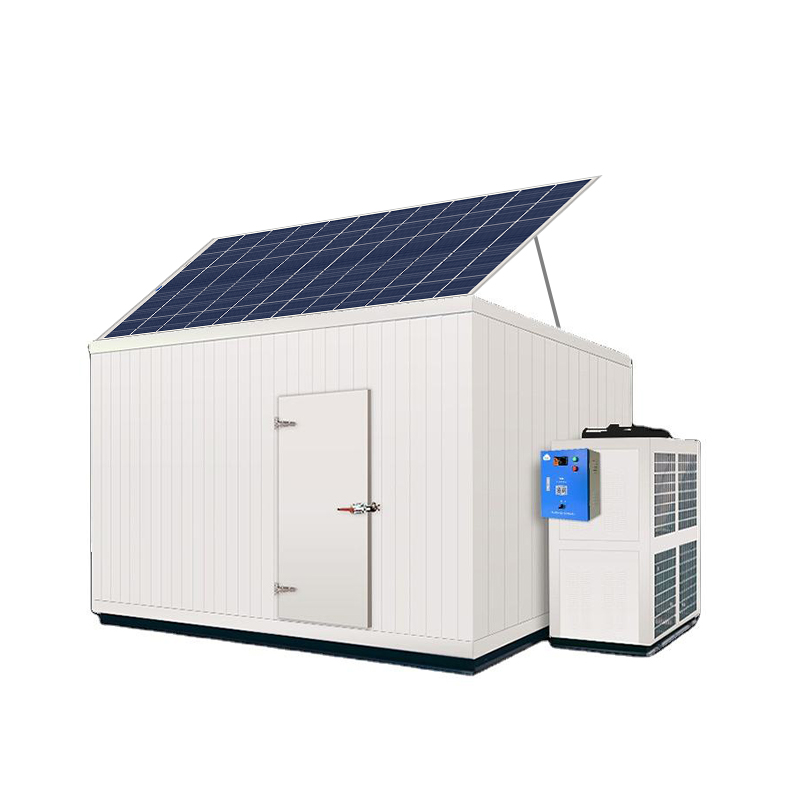
Large-scale utilization of space: Large cold storage facilities, particularly single-story high-rack cold storage, possess vast roof areas. This provides an ideal location for installing large-scale photovoltaic panels without occupying additional land resources, achieving efficient and multifunctional space utilization.
Stable baseline load: Unlike many commercial facilities, cold storage requires continuous 24/7 operation, providing a stable and predictable baseline electrical load. This facilitates local consumption of photovoltaic system output, enabling value creation through a "daytime power generation, reduced grid procurement costs" model even during nighttime or overcast conditions.
Dual Benefits from Policy and Market: The global advancement of "net-zero emission" goals has prompted countries to introduce incentive policies for renewable energy and green cold chain (such as subsidies, tax breaks, and carbon trading). Meanwhile, the consumer goods industry is imposing increasingly stringent requirements for supply chain decarbonization, making cold storage facilities powered by green electricity more appealing to high-end clients.
Flexible grid-connected mode: It can adopt either the "self-generation for self-use with surplus power fed to the grid" or the "full grid feed-in" mode. With the integration of an energy storage system (e.g., batteries), it further enables cross-temporal energy dispatch, significantly enhancing self-sufficiency and emergency backup capacity.
No impact on the main structure: The professionally designed photovoltaic mounting system can be adapted to various types of roofs (color steel tiles, concrete), ensuring load safety, ventilation, thermal insulation, and the integrity of the cold storage facility's functionality.
Initial investment: Primarily includes costs for photovoltaic modules, inverters, mounting structures, cables, installation, and potential energy storage systems. In recent years, the significant decline in photovoltaic module prices has substantially lowered the initial investment threshold.
Return on investment:
Electricity cost savings: Photovoltaic power directly replaces high-cost commercial/industrial electricity purchased from the grid, serving as the core revenue source.
Additional Income: Revenue from selling surplus electricity to the grid and income from the trading of renewable energy certificates (e.g., green certificates).
Policy benefits: Enjoy government subsidies for distributed photovoltaic installations, tax incentives, and more.
Cost hedging: Mitigating the risk of future electricity price increases.
Typical Case Calculation: Taking a medium-sized cold storage facility with an annual electricity consumption of 1 million kWh as an example, installing approximately 1 megawatt of rooftop photovoltaic panels, assuming a self-consumption ratio of 80%, can recoup the investment in 5-8 years in many regions. With a system lifespan exceeding 25 years, the electricity can be nearly free to use and continue generating profits for over a decade.
Reducing grid pressure: Distributed generation alleviates the transmission and distribution burden on local grids, particularly during peak electricity demand periods in summer.
Enhance corporate image: Build the "Green Cold Chain" and "Zero Carbon Cold Storage" brands to boost market competitiveness and align with the trend of sustainable supply chain development.
Intermittent power generation issues: Ensure stable energy supply for cold storage by adopting a "photovoltaic + energy storage" combination, optimizing refrigeration unit operation strategies (such as moderately lowering storage temperatures during sunny periods to reserve cooling capacity for nighttime), and maintaining grid backup.
Management and Maintenance: Select reliable service providers, establish an intelligent monitoring platform, and conduct real-time monitoring and operation of power generation and consumption to ensure the system's long-term efficient operation.
Amid the dual waves of soaring energy costs and low-carbon transformation, equipping cold storage facilities with "photovoltaic coverings" is not only a shrewd financial decision to reduce operational expenses but also a strategic move to shape future core competitiveness. Conducting a detailed assessment of rooftop resources, energy consumption data, and local policies for owned cold storage facilities will mark the first critical step in this endeavor.
Core Drivers: Why Photovoltaics and Cold Storage Are a "Match Made in Heaven"?
High energy demand alignment: The peak energy consumption of cold storage facilities typically occurs during daylight hours with abundant sunlight and high temperatures, which closely matches the power output curve of photovoltaic generation. This natural "source-load alignment" significantly increases the proportion of self-consumption, reducing reliance on external grids and lowering electricity costs.Large-scale utilization of space: Large cold storage facilities, particularly single-story high-rack cold storage, possess vast roof areas. This provides an ideal location for installing large-scale photovoltaic panels without occupying additional land resources, achieving efficient and multifunctional space utilization.
Stable baseline load: Unlike many commercial facilities, cold storage requires continuous 24/7 operation, providing a stable and predictable baseline electrical load. This facilitates local consumption of photovoltaic system output, enabling value creation through a "daytime power generation, reduced grid procurement costs" model even during nighttime or overcast conditions.
Dual Benefits from Policy and Market: The global advancement of "net-zero emission" goals has prompted countries to introduce incentive policies for renewable energy and green cold chain (such as subsidies, tax breaks, and carbon trading). Meanwhile, the consumer goods industry is imposing increasingly stringent requirements for supply chain decarbonization, making cold storage facilities powered by green electricity more appealing to high-end clients.
Feasibility Analysis Dimension
1. Technical and Engineering Feasibility
System compatibility: The refrigeration units (such as compressors and fans), lighting, and control systems in modern cold storage facilities are all standard electrically driven. Photovoltaic power generation can be seamlessly integrated into the cold storage's power distribution system after being converted to alternating current via an inverter, ensuring technically mature and reliable performance.Flexible grid-connected mode: It can adopt either the "self-generation for self-use with surplus power fed to the grid" or the "full grid feed-in" mode. With the integration of an energy storage system (e.g., batteries), it further enables cross-temporal energy dispatch, significantly enhancing self-sufficiency and emergency backup capacity.
No impact on the main structure: The professionally designed photovoltaic mounting system can be adapted to various types of roofs (color steel tiles, concrete), ensuring load safety, ventilation, thermal insulation, and the integrity of the cold storage facility's functionality.
2. Economic and Financial Feasibility
This is the most closely watched aspect of photovoltaic cold storage, with its economic viability primarily depending on:Initial investment: Primarily includes costs for photovoltaic modules, inverters, mounting structures, cables, installation, and potential energy storage systems. In recent years, the significant decline in photovoltaic module prices has substantially lowered the initial investment threshold.
Return on investment:
Electricity cost savings: Photovoltaic power directly replaces high-cost commercial/industrial electricity purchased from the grid, serving as the core revenue source.
Additional Income: Revenue from selling surplus electricity to the grid and income from the trading of renewable energy certificates (e.g., green certificates).
Policy benefits: Enjoy government subsidies for distributed photovoltaic installations, tax incentives, and more.
Cost hedging: Mitigating the risk of future electricity price increases.
Typical Case Calculation: Taking a medium-sized cold storage facility with an annual electricity consumption of 1 million kWh as an example, installing approximately 1 megawatt of rooftop photovoltaic panels, assuming a self-consumption ratio of 80%, can recoup the investment in 5-8 years in many regions. With a system lifespan exceeding 25 years, the electricity can be nearly free to use and continue generating profits for over a decade.
3. Feasibility of Environmental and Social Benefits
Significant carbon reduction: Directly decrease the consumption of fossil energy-based electricity, significantly lower the operational carbon emissions of cold storage facilities, and help enterprises achieve their ESG goals.Reducing grid pressure: Distributed generation alleviates the transmission and distribution burden on local grids, particularly during peak electricity demand periods in summer.
Enhance corporate image: Build the "Green Cold Chain" and "Zero Carbon Cold Storage" brands to boost market competitiveness and align with the trend of sustainable supply chain development.
Key Challenges and Countermeasures
Initial Investment Threshold: Through third-party investment models such as "Energy Contract Management" and "Photovoltaic Leasing," professional companies can fund and operate the projects, while the cold storage party uses green electricity at agreed rates, achieving zero initial investment and immediate cost reduction.Intermittent power generation issues: Ensure stable energy supply for cold storage by adopting a "photovoltaic + energy storage" combination, optimizing refrigeration unit operation strategies (such as moderately lowering storage temperatures during sunny periods to reserve cooling capacity for nighttime), and maintaining grid backup.
Management and Maintenance: Select reliable service providers, establish an intelligent monitoring platform, and conduct real-time monitoring and operation of power generation and consumption to ensure the system's long-term efficient operation.
Conclusion
Overall, photovoltaic cold storage demonstrates high feasibility across technical, economic, and environmental dimensions. It is no longer an avant-garde concept but has matured into a lucrative investment. For cold storage owners and operators, evaluating the construction of photovoltaic cold storage is no longer a question of "whether to do it" but rather "how to implement it faster and more effectively.".Amid the dual waves of soaring energy costs and low-carbon transformation, equipping cold storage facilities with "photovoltaic coverings" is not only a shrewd financial decision to reduce operational expenses but also a strategic move to shape future core competitiveness. Conducting a detailed assessment of rooftop resources, energy consumption data, and local policies for owned cold storage facilities will mark the first critical step in this endeavor.