


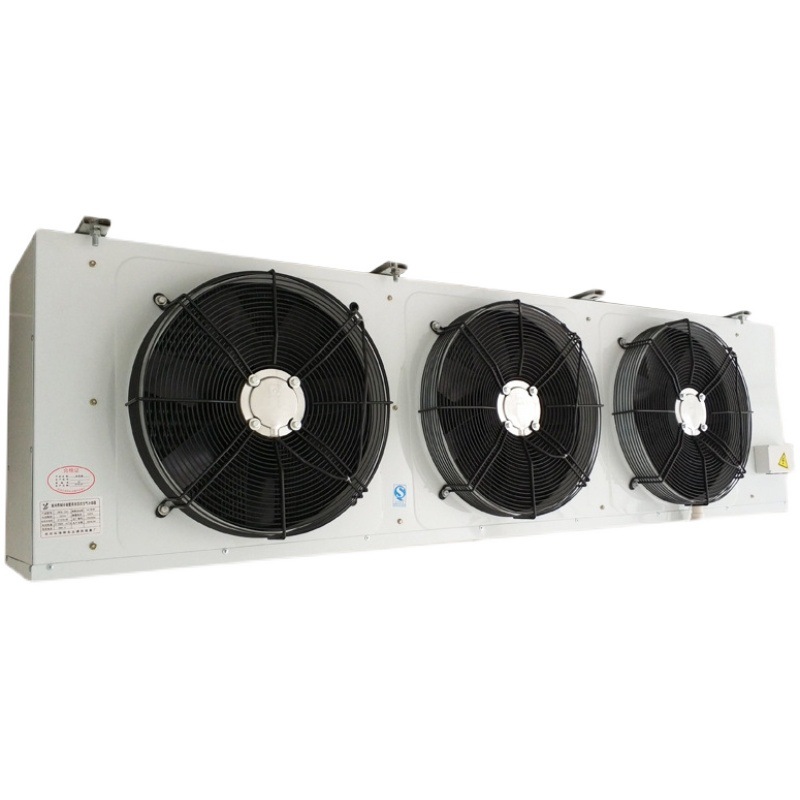
Has your cold storage electricity bill inexplicably increased and the cooling rate slowed down? It is likely because the fins of the air cooler are dirty. Regular cleaning is the most cost-effective way to maintain refrigeration efficiency and reduce energy consumption.
Decreased cooling capacity: The air output decreases, making it difficult to lower the temperature inside the warehouse, which affects the quality of the goods.
Equipment wear and tear: Prolonged overloading of the compressor can easily lead to malfunctions.
Hygiene risk: In food cold storage, dirt may breed bacteria and contaminate goods.
Ordinary refrigerated storage: Check cleanliness every 6 months
Dry and clean environment: Deep cleaning at least once a year
Wear gloves, goggles, and a mask
Preparation: Soft bristle brush, neutral cleaning agent, spray can, warm water
Oil stains: spray cleaning agent → let stand for 5 minutes → brush lightly → rinse with warm water
Ice cream: Do not hit! First defrost and then clean
Check if the fins are flat
Ensure smooth drainage
Regularly replace/clean the primary filter: this is the "first line of defense" to protect the fins
Keep the warehouse clean: Regularly clean to reduce dust
Check the seal: Ensure that the sealing strip of the warehouse door is intact to prevent humid air from entering and aggravating frost
A thorough cleaning can restore the efficiency of the air cooler to its original state and significantly reduce operating costs.
Why is it necessary to clean the fins? The cost of not cleaning
When the fins are clogged with dirt:
Increased energy consumption: The heat transfer efficiency decreases, and the compressor needs to work longer to reach the set temperature, which may increase power consumption by 15% -30%.Decreased cooling capacity: The air output decreases, making it difficult to lower the temperature inside the warehouse, which affects the quality of the goods.
Equipment wear and tear: Prolonged overloading of the compressor can easily lead to malfunctions.
Hygiene risk: In food cold storage, dirt may breed bacteria and contaminate goods.
Suggested cleaning frequency:
Food processing warehouse: Check cleanliness every 3 monthsOrdinary refrigerated storage: Check cleanliness every 6 months
Dry and clean environment: Deep cleaning at least once a year
Three step cleaning method (safety first!)
Step 1: Preparation (Power off!)
Turn off the power and lock itWear gloves, goggles, and a mask
Preparation: Soft bristle brush, neutral cleaning agent, spray can, warm water
Step 2: Clean according to the type of dirt
Excessive dust: vacuum cleaner → brush gently in the direction of the fins → blow clean with low-pressure airOil stains: spray cleaning agent → let stand for 5 minutes → brush lightly → rinse with warm water
Ice cream: Do not hit! First defrost and then clean
Step 3: Conclusion
Wipe dry and thoroughly air dryCheck if the fins are flat
Ensure smooth drainage
Prevention is better than cure: 4 tips to reduce fin contamination
Source control: Install air curtains in the procurement area to reduce the entry of external dustRegularly replace/clean the primary filter: this is the "first line of defense" to protect the fins
Keep the warehouse clean: Regularly clean to reduce dust
Check the seal: Ensure that the sealing strip of the warehouse door is intact to prevent humid air from entering and aggravating frost
A thorough cleaning can restore the efficiency of the air cooler to its original state and significantly reduce operating costs.