


In the food refrigeration industry, choosing the appropriate cold storage temperature is crucial for maintaining product quality. This article explores the key differences in unit selection between low-temperature cold storage (below -30 ℃) and ordinary freezer (-18 ℃), as well as which one is more suitable for storing seafood and frozen food.
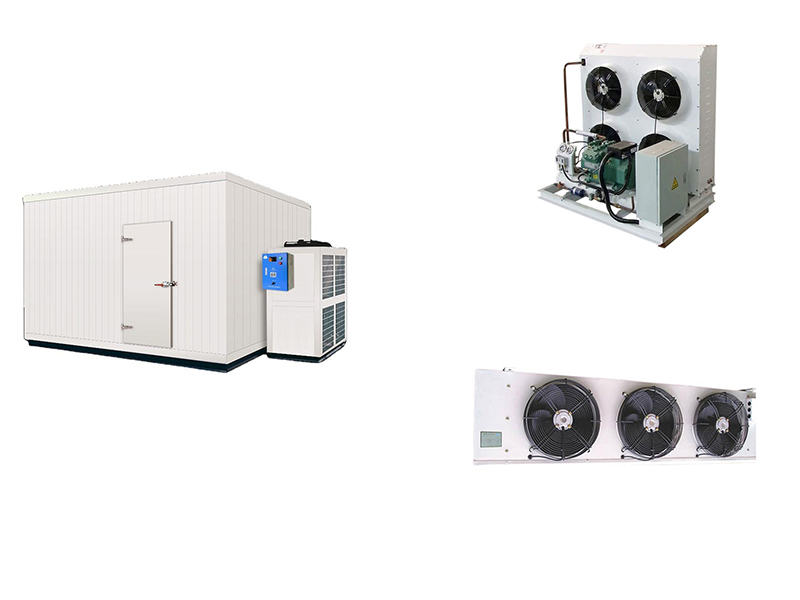
Low temperature cold storage (-30 ℃ and below): provides a deeper freezing environment, which can quickly pass through the "maximum ice crystal generation zone", reduce the damage of ice crystals to food cell structure, and better maintain the original texture and flavor of food.
Ordinary freezer: A single-stage compression system can meet the requirements, with an evaporation temperature of about -25 ℃ to -30 ℃
Ordinary freezer: commonly used R22 substitutes such as R407C, R410A, or natural refrigerants such as ammonia and carbon dioxide
Ordinary freezer: standard fin spacing (usually 2-4mm), relatively low defrosting requirements
Ordinary freezer: High energy efficiency and relatively low operating costs
Ordinary freezer: lower cost, easier installation and maintenance
Seafood stored for a long time (over 6 months): below -30 ℃ can better maintain texture and flavor
Quick frozen prepared food: Quickly generate ice crystals to maintain the original taste of the food
High fat fish (such as salmon and tuna): Low temperature slows down fat oxidation, maintains color and nutrition
Processed and cooked seafood products
Most frozen vegetables and fruits
Commercial frozen food with fast circulation speed
For regular retail and short-term turnover, a -18 ℃ freezer is still the most economical and practical choice
Hybrid solution: Large processing enterprises can be equipped with two systems simultaneously, which can be flexibly used according to different product requirements
Temperature requirements and principles of food preservation
Ordinary freezer (-18 ℃): International standard freezing temperature, suitable for most frozen foods, can effectively slow down microbial growth and enzyme activity, and extend food shelf life.Low temperature cold storage (-30 ℃ and below): provides a deeper freezing environment, which can quickly pass through the "maximum ice crystal generation zone", reduce the damage of ice crystals to food cell structure, and better maintain the original texture and flavor of food.
Analysis of Differences in Unit Selection
1. Compressor type and configuration
Low temperature cold storage: usually requires a two-stage or stacked compression system, using low-temperature dedicated compressors (such as Bitzer, Gulun and other brands' low-temperature series), with an evaporation temperature of up to -45 ℃ to -50 ℃Ordinary freezer: A single-stage compression system can meet the requirements, with an evaporation temperature of about -25 ℃ to -30 ℃
2. Refrigerant selection
Low temperature cold storage: It often uses low-temperature refrigerants such as R404A, R507A, R23, etc., which have lower evaporation temperature characteristicsOrdinary freezer: commonly used R22 substitutes such as R407C, R410A, or natural refrigerants such as ammonia and carbon dioxide
3. Evaporator design
Low temperature cold storage: The fin spacing is larger (usually 6-12mm) to prevent frosting and blockage; Equipped with an efficient defrosting systemOrdinary freezer: standard fin spacing (usually 2-4mm), relatively low defrosting requirements
4. System efficiency and energy consumption
Low temperature cold storage: has a lower coefficient of performance (COP) and consumes 30-50% more energy than a regular freezerOrdinary freezer: High energy efficiency and relatively low operating costs
5. Initial investment cost
Low temperature cold storage: equipment costs are 40-70% higher and installation is more complexOrdinary freezer: lower cost, easier installation and maintenance
Storage suggestions for seafood and frozen food
Suitable for low-temperature cold storage (below -30 ℃):
High end sashimi and sushi grade seafood: require ultra-low temperature to maintain cell structure integritySeafood stored for a long time (over 6 months): below -30 ℃ can better maintain texture and flavor
Quick frozen prepared food: Quickly generate ice crystals to maintain the original taste of the food
High fat fish (such as salmon and tuna): Low temperature slows down fat oxidation, maintains color and nutrition
Suitable for ordinary freezer (-18 ℃):
Short term storage of seafood (consumption within 3-6 months)Processed and cooked seafood products
Most frozen vegetables and fruits
Commercial frozen food with fast circulation speed
Industry Trends and Suggestions
As consumers demand higher food quality, many seafood suppliers are turning to low-temperature storage solutions. Japan and Nordic countries have already set -30 ℃ to -50 ℃ as the standard storage temperature for high-quality seafood.Expert advice:
For the high-end seafood market and long-term storage, investing in low-temperature cold storage may have high initial costs, but it can significantly enhance product competitivenessFor regular retail and short-term turnover, a -18 ℃ freezer is still the most economical and practical choice
Hybrid solution: Large processing enterprises can be equipped with two systems simultaneously, which can be flexibly used according to different product requirements