


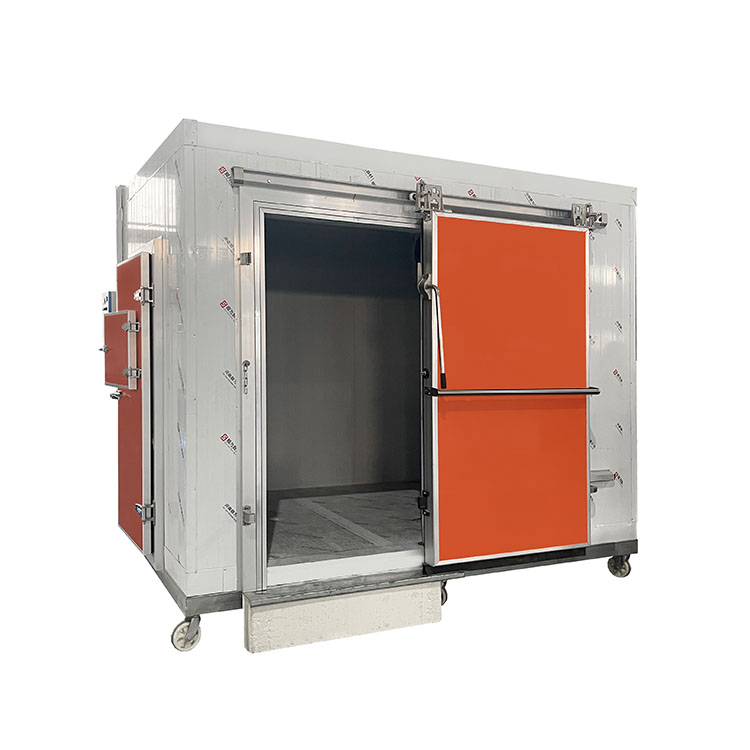
If you find that your cold storage room's refrigeration efficiency is decreasing, energy consumption is abnormally high, or temperature fluctuations are difficult to control, it's very likely that there's a problem with the cold storage insulation system. Among the many possible causes, seal failure of the cold storage panels and moisture in the insulation layer are the two most common and directly impactful "cold energy killers." Ignoring them will not only lead to soaring electricity bills but may also affect the quality of goods and even damage refrigeration equipment.
Frosting and icing problems worsen: Leaking, warm, and humid air condenses into large amounts of frost upon contact with the cold air, forming a vicious cycle that further reduces heat exchange efficiency.
Uncontrolled humidity inside the cold storage: This affects the storage safety of humidity-sensitive goods (such as dry goods, pharmaceuticals, and precision instruments).
Inspection method: At night, turn off the lights inside the cold storage and shine a strong flashlight along the gaps from the outside to observe whether light penetrates inside. Alternatively, feel for a noticeable "cold air leakage."
Solution: Remove aged and ineffective old sealing materials and reseal using a specialized low-temperature cold storage sealant (with good elasticity, low-temperature resistance, and adhesion). For sealing strips, check if they still have elasticity and fit tightly.
Structural Safety Hazards: Long-term moisture intrusion can lead to insulation layer rot and panel surface corrosion (for metal panels), reducing the structural strength of the cold storage panels.
Difficult to Completely Repair: Moisture penetration often occurs inside the panel, making it difficult to detect. By the time it is discovered, it usually has already caused extensive damage.
Damage to the external or internal waterproof vapor barrier (cracking or perforation at metal joints of the panels).
Damage to the panels during installation and handling disrupts the internal continuity.
Excessive ambient humidity leads to long-term moisture infiltration.
Instrument Testing: Use an infrared thermal imager to scan and visually identify areas of abnormal surface temperature, pinpointing areas of moisture absorption or insulation failure.
Large Area or Severe Internal Moisture Infiltration: The most fundamental and effective solution is to replace the damaged cold storage modules. This is a critical investment to ensure the long-term efficient operation of the cold storage.
Treat the cold storage unit gently: Avoid collisions and scratches to the panels when handling goods. Drilling or nailing into the panels is strictly prohibited.
Keep the surrounding environment dry: Ensure proper ventilation, prevent water accumulation outside the cold storage, and ensure smooth defrosting and drainage of the refrigeration system.
Professional maintenance: Repairs involving the seals and insulation layers should use professional materials and be performed by experienced personnel to ensure quality repairs.
Issue 1: Seal Failure – The Invisible "Energy Leak"
The gaps between cold storage panels should be tightly filled with sealant and sealing strips, forming a continuous and complete airtight barrier. Once these sealing materials age, crack, fall off, or have defects during construction, gaps will form.Harm:
Direct Cold Energy Loss: External hot air continuously seeps in, intensifying heat exchange, requiring the compressor to operate at high loads frequently to maintain the low temperature.Frosting and icing problems worsen: Leaking, warm, and humid air condenses into large amounts of frost upon contact with the cold air, forming a vicious cycle that further reduces heat exchange efficiency.
Uncontrolled humidity inside the cold storage: This affects the storage safety of humidity-sensitive goods (such as dry goods, pharmaceuticals, and precision instruments).
Self-inspection and solutions:
Key inspection areas: Carefully inspect all cold storage panel joints, especially corners, the connection between the ceiling and wall panels, the area around door frames, and the seals of pipe penetrations.Inspection method: At night, turn off the lights inside the cold storage and shine a strong flashlight along the gaps from the outside to observe whether light penetrates inside. Alternatively, feel for a noticeable "cold air leakage."
Solution: Remove aged and ineffective old sealing materials and reseal using a specialized low-temperature cold storage sealant (with good elasticity, low-temperature resistance, and adhesion). For sealing strips, check if they still have elasticity and fit tightly.
Question 2: Moisture Insulation Layer – A Hidden Degradation of Insulation Performance
The core of cold storage panels lies in the middle insulation layer (commonly polyurethane, polystyrene, etc.). These materials rely on dry gas within their tiny closed-cell structure for insulation. Once moisture intrudes, not only is water's thermal conductivity much higher than air's, but it also damages the cell structure.Harm:
Permanent Degradation of Insulation Performance: The thermal conductivity of a damp insulation layer increases significantly, drastically worsening the insulation effect, and allowing continuous cold air loss through the panels.Structural Safety Hazards: Long-term moisture intrusion can lead to insulation layer rot and panel surface corrosion (for metal panels), reducing the structural strength of the cold storage panels.
Difficult to Completely Repair: Moisture penetration often occurs inside the panel, making it difficult to detect. By the time it is discovered, it usually has already caused extensive damage.
Causes of Moisture Intrusion:
Failure of the seal allows moisture to intrude.Damage to the external or internal waterproof vapor barrier (cracking or perforation at metal joints of the panels).
Damage to the panels during installation and handling disrupts the internal continuity.
Excessive ambient humidity leads to long-term moisture infiltration.
Self-Inspection and Solution:
Inspection Methods:
Visual and Tactile Inspection: Inspect the outer surface of the cold storage panels (especially at the seams) for rust, bulges, discoloration, and water stains. After shutdown and heating, touch the surface of the panels to feel for any abnormally cold areas (indicating potential internal moisture buildup and thermal bridging).Instrument Testing: Use an infrared thermal imager to scan and visually identify areas of abnormal surface temperature, pinpointing areas of moisture absorption or insulation failure.
Solutions
Small Area Moisture Infiltration: If the cause is surface-related and detected promptly, thoroughly dry the affected area and repair the external moisture barrier (e.g., with specialized tape or coating).Large Area or Severe Internal Moisture Infiltration: The most fundamental and effective solution is to replace the damaged cold storage modules. This is a critical investment to ensure the long-term efficient operation of the cold storage.
Prevention is better than cure: Routine maintenance recommendations
Establish a regular inspection system: Conduct a systematic inspection of the cold storage's seals and panel condition at least once per quarter, focusing on recording areas prone to problems.Treat the cold storage unit gently: Avoid collisions and scratches to the panels when handling goods. Drilling or nailing into the panels is strictly prohibited.
Keep the surrounding environment dry: Ensure proper ventilation, prevent water accumulation outside the cold storage, and ensure smooth defrosting and drainage of the refrigeration system.
Professional maintenance: Repairs involving the seals and insulation layers should use professional materials and be performed by experienced personnel to ensure quality repairs.