


In fields such as cold chain logistics, laboratory research, and pharmaceutical storage, precise temperature control is often the key to ensuring the safety and quality of goods. So, what are the actual temperature control accuracies of modern refrigeration equipment? And what temperature environments are required for different types of goods? This article will delve into these questions.
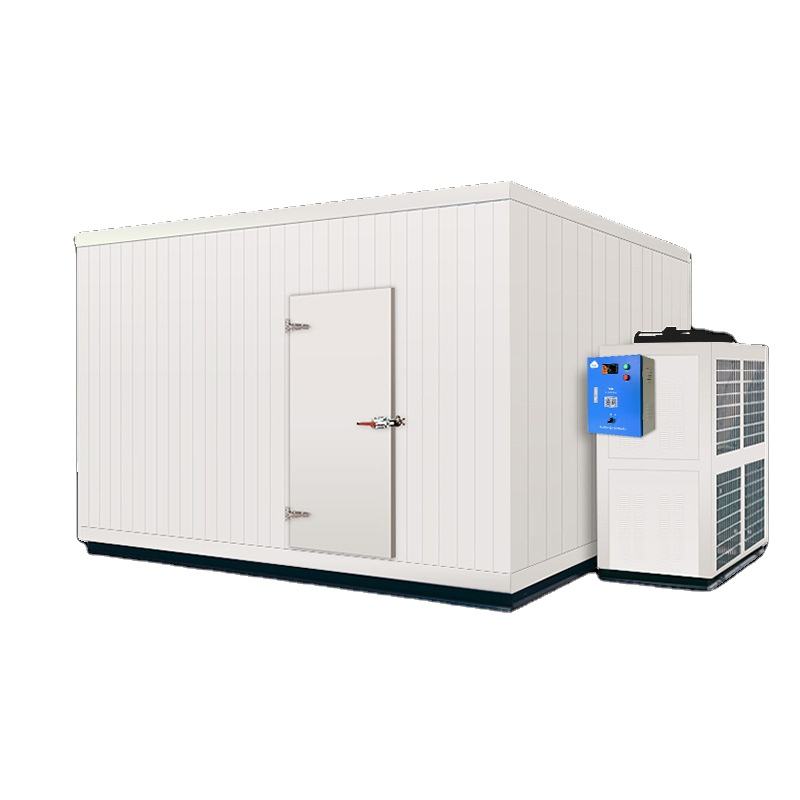
High-end commercial display cabinets: Some products achieve a precision of ±1°C, suitable for storing goods with basic temperature requirements.
Laboratory-grade refrigeration equipment: With precision ranging from ±0.1°C to ±0.5°C, it is used for storing sensitive materials such as biological samples and reagents.
Ultra-low temperature freezing equipment: Maintains accuracy within ±1°C at extremely low temperatures such as -80°C.
Cold Chain Monitoring System: Combining smart sensors and feedback control, it achieves real-time regulation accuracy of ±0.2°C.
Maximum allowable fluctuation: the upper limit of temperature variation, where certain items may be damaged even if briefly exceeding the range
Uniformity requirement: Temperature difference limit within the storage space at different locations
Frequency and duration of door openings
Power stability
Continuous temperature recording function
Multi-point temperature monitoring
Real-time alert system (SMS, app notifications, etc.)
Backup power system
Predictive regulation: Pre-adjust the temperature by learning usage patterns to reduce fluctuations before opening the door
Distributed Sensing: Multiple sensors within the enclosure work collaboratively to ensure uniform spatial temperature
Cloud Monitoring: Remote real-time temperature data monitoring with historical record traceability
Energy-saving optimization: Dynamically adjust energy consumption while ensuring accuracy
With the development of technology, we are expected to see more intelligent, precise, and energy-saving temperature control solutions, providing more reliable protection for the storage of various sensitive items.
The temperature control accuracy range of refrigeration equipment
Advances in modern refrigeration technology have enabled more precise temperature control, with significant differences in accuracy among equipment of varying grades1. Household and commercial refrigeration equipment
Ordinary refrigerator/freezer: The temperature control accuracy is typically between ±2°C to ±3°C, suitable for daily food storage but may not be stable enough for temperature-sensitive items.High-end commercial display cabinets: Some products achieve a precision of ±1°C, suitable for storing goods with basic temperature requirements.
2. Professional and Industrial Equipment
Medical Refrigerator/Drug Storage Cabinet: Typically requires a precision of ±0.5°C to ±1°C, with some high-end models achieving up to ±0.3°C.Laboratory-grade refrigeration equipment: With precision ranging from ±0.1°C to ±0.5°C, it is used for storing sensitive materials such as biological samples and reagents.
Ultra-low temperature freezing equipment: Maintains accuracy within ±1°C at extremely low temperatures such as -80°C.
3. Precision Constant Temperature Equipment
Constant temperature and humidity chamber: Temperature accuracy can reach ±0.1°C or even ±0.05°C, suitable for precision experiments or the storage of high-value items.Cold Chain Monitoring System: Combining smart sensors and feedback control, it achieves real-time regulation accuracy of ±0.2°C.
How to choose refrigeration equipment that meets specific requirements?
1. Clarify the key temperature parameters of the items
Storage temperature range: the temperature interval for safe storage of itemsMaximum allowable fluctuation: the upper limit of temperature variation, where certain items may be damaged even if briefly exceeding the range
Uniformity requirement: Temperature difference limit within the storage space at different locations
2. Consider the environment and usage conditions
Temperature variations in the equipment's surrounding environmentFrequency and duration of door openings
Power stability
3. Emphasize monitoring and alarm systems
The storage of high-value or sensitive items should be selected with the following equipped:Continuous temperature recording function
Multi-point temperature monitoring
Real-time alert system (SMS, app notifications, etc.)
Backup power system
Future Trend: Intelligent Temperature Control Technology
With the advancement of IoT and AI technologies, the new generation of refrigeration equipment is evolving toward higher precision and adaptive regulationPredictive regulation: Pre-adjust the temperature by learning usage patterns to reduce fluctuations before opening the door
Distributed Sensing: Multiple sensors within the enclosure work collaboratively to ensure uniform spatial temperature
Cloud Monitoring: Remote real-time temperature data monitoring with historical record traceability
Energy-saving optimization: Dynamically adjust energy consumption while ensuring accuracy
Conclusion
The temperature control accuracy of modern refrigeration equipment can meet the storage requirements of most items, from basic control of ± 3 ° C to precise control of ± 0.1 ° C. Different levels of equipment provide corresponding solutions for various types of items. When choosing, the key is to match the corresponding precision equipment based on the characteristics and value of the stored items, and to supplement it with a comprehensive temperature monitoring system. For high-value and highly sensitive items, investing in higher precision professional equipment is an important guarantee for ensuring safety.With the development of technology, we are expected to see more intelligent, precise, and energy-saving temperature control solutions, providing more reliable protection for the storage of various sensitive items.